Cho Shoo Kee
Commercial Director Kat Maconie

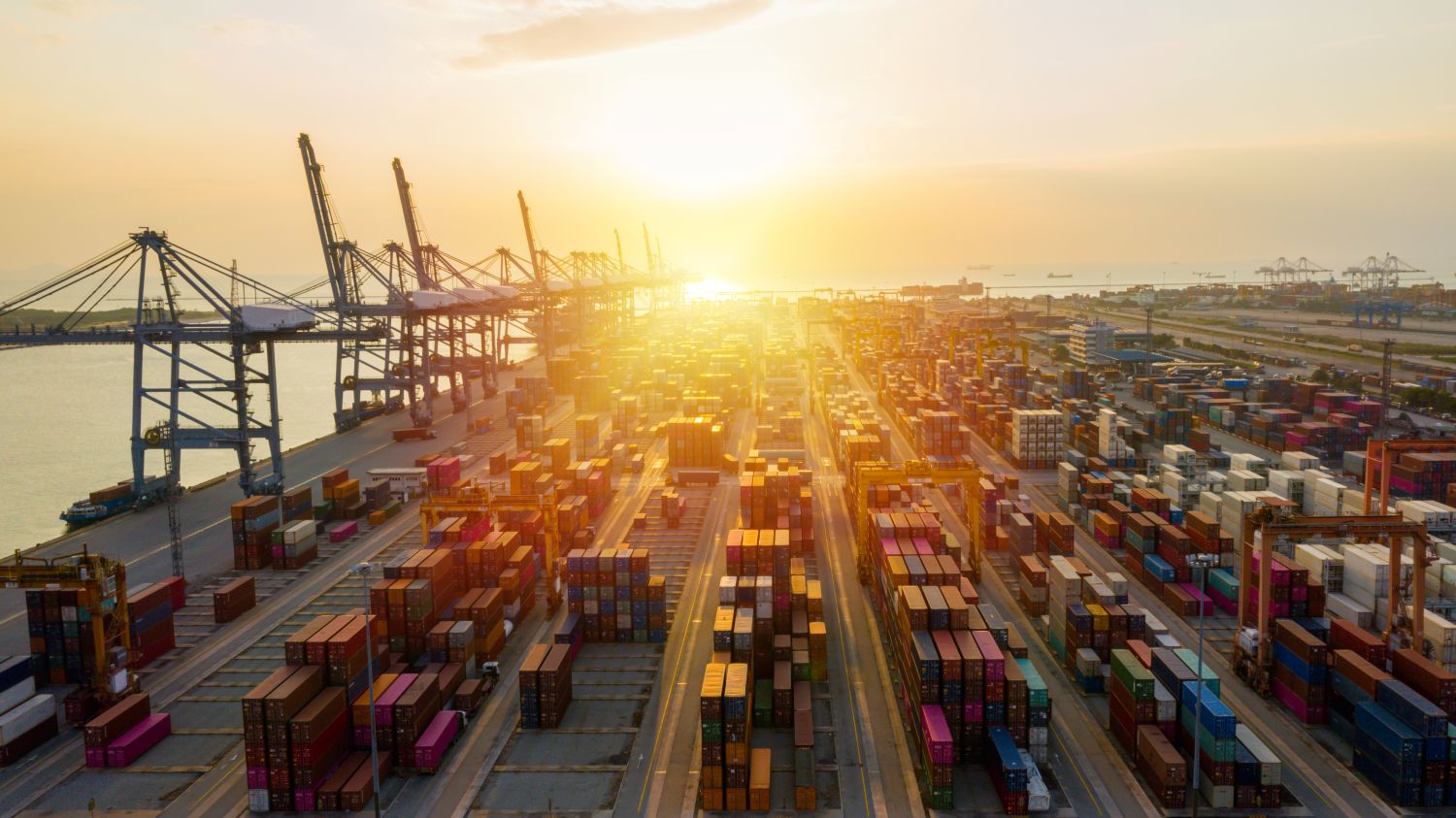
Since the UK departed from the European Union, customs clearance has become a critical, and often complex, part of importing and exporting goods across UK borders. Where seamless, frictionless trade once existed, new procedures, declarations, and regulatory responsibilities have emerged. These changes have created fresh challenges for businesses, particularly those navigating international fulfilment, ecommerce, or supply chain operations.
At Rioz, we’ve witnessed firsthand how these shifts have impacted logistics: from delays at borders to unexpected duties and documentation gaps. The margin for error has narrowed, and operational efficiency now depends on a clear understanding of post‑Brexit customs processes.
In this comprehensive guide, we’ll break down the customs clearance landscape in plain terms. You’ll learn exactly what has changed post‑Brexit, which documents are essential, how to stay compliant, and what pitfalls to avoid. Whether you’re an e-commerce brand scaling across borders or a logistics operator managing freight and fulfilment, this guide will help you navigate customs with confidence and clarity.
The UK officially left the European Union on 31 January 2020, with the transition period ending on 31 December 2020. This marked the UK’s full departure from the EU Single Market and Customs Union, resulting in a fundamental shift in how goods are moved between the UK and EU member states.
Before Brexit, goods could move freely between the UK and the EU without customs declarations, import taxes, or regulatory checks. Now, all goods crossing the UK-EU border are treated as international movements, requiring customs declarations, checks, and compliance with new import/export rules.
The EU–UK Trade and Cooperation Agreement (TCA), signed on 24 December 2020, governs the post-Brexit trading relationship. While the TCA eliminates tariffs and quotas on goods that meet certain origin requirements, it does not remove the need for customs procedures.
This means businesses must not only declare goods at the border, but also provide proof of origin to avoid tariffs, adding another layer of complexity.
Since Brexit, UK businesses trading with the EU must now comply with the following regulatory obligations:
These changes have had a profound impact on supply chains, particularly in e-commerce, retail, and fulfilment, where speed, cost, and reliability are critical. Delays at customs, increased administrative burden, and the risk of non-compliance can erode profit margins and disrupt customer experience.
For operators like Rioz, the post-Brexit landscape reinforces the need for deep customs knowledge, reliable systems integration, and agile operational planning, ensuring that customs clearance becomes a competitive strength, not a bottleneck.
Almost all goods entering the UK now require a customs declaration, even when moving between the UK and the EU. You can either submit this yourself or appoint a customs broker or freight forwarder to do it on your behalf.
An EORI number starting with “GB” is required for UK imports and exports. Without this, you cannot legally move goods in or out of the UK.
Every product must be classified using a Harmonised System (HS) Code, also known as a commodity code. This determines what duties and VAT apply, and what documentation or restrictions are required.
Depending on the type and origin of your goods, you may need to pay customs duties and VAT. The EU–UK Trade and Cooperation Agreement provides zero tariffs only if the Rules of Origin are met.
Certain goods (e.g. food, chemicals, electronics) may need import licences or be subject to additional regulations. Failing to obtain these in advance can result in customs seizures or delays.
Whether you ship by air, sea, road, or courier, each has its own documentation and clearance requirements. For example, road freight may need to be registered with the Goods Vehicle Movement Service (GVMS).
Required Documents Include:
Declarations must be submitted through the UK’s Customs Declaration Service (CDS). Some businesses still use CHIEF, but this is being phased out. CDS allows digital declaration filing and payment processing.
Once your declaration is accepted, you’ll be advised of any import duty and VAT due. Payment must be made before the goods can be released, unless you operate under a deferment account or simplified procedure.
The Export Process Includes:
Exporting to the EU now involves many of the same formalities as non-EU countries, including customs declarations and regulatory checks.
For logistics providers like Rioz Global, understanding and managing these steps is essential when:
Even experienced operators can encounter delays and extra costs when navigating post-Brexit customs. Here are the most common pitfalls, and how to avoid them:
“Rioz Global is the most reliable and trustworthy freight and logistic company we have ever worked with. Rioz has been incredible from the day we partnered with them, they’re efficient, approachable and understand their clients’ needs. Rioz is not just a logistic company, they have created a friendly working environment for their staff and easy for their clients to visit when needed.”

“At all touch points with Rioz Global you come away with the same feeling, they actually care about their customer and providing the best service they can. This sets them apart from other logistic and warehouse providers in the UK. Always going above and beyond to meet our needs, I wouldn’t trust our business with anyone else. ”

“There’s few people and companies who’s top priority is simply doing the best possible work they can do. They’re hard to find. We found one in Rob and his Rioz team. Speed, trust, vision and personal touches that matter for brands and products.”

“We at Jim Green Footwear have been working with Rioz Global for just over a year, and our experience has been nothing short of exceptional. From day one, the Rioz team has treated our brand as if it were their own, maintaining professionalism, meeting every deadline and ensuring each task is handled with care.”